 HUGE SPRING DEALS HAPPENING! Call NOW To Learn More!
Fence Maintenance Tips: Step-by-Step Guide to Keep Your Fence Strong and Beautiful
Your fence works hard every day. It protects your home. It defines your property line. It keeps children and pets safe. It adds structure and style to your yard.
But without routine care, even a strong fence can weaken over time. Weather, moisture, sun exposure, and ground movement slowly take a toll. That is why following proven fence maintenance tips is critical if you want your fence to stay strong and beautiful for years.
In this guide, we will walk you through practical fence maintenance tips that homeowners can follow step by step. Whether you are a DIY enthusiast or just learning how to maintain a fence, this article will help you prevent damage, avoid costly replacements, and protect your investment.
What Is Fence Maintenance?
Before we get into the process, let us answer a common question, what is fence maintenance?
Fence maintenance is the routine care and inspection of your fence to preserve its strength, appearance, and function. It includes cleaning, checking for structural damage, repairing loose or broken parts, and protecting materials such as wood or metal from weather exposure.
Many homeowners assume a fence is maintenance free once installed. That is not true. Every material, whether wood, vinyl, chain link, or ornamental aluminum, requires periodic attention. Fence maintenance is about preventing small problems from becoming major structural failures.
If you recently invested in professional fence installation services, protecting that structure should be part of your yearly home care plan.
Why Regular Fence Maintenance Matters
Ignoring maintenance can shorten the life of your fence by several years. Small cracks allow water to seep in. Loose boards catch wind and shift. Rust spreads quickly if untreated. Over time, these issues weaken the entire system.
Following consistent fence maintenance tips helps you:
- Extend the life of your fence
- Avoid expensive replacements
- Maintain curb appeal
- Keep your yard secure
- Protect children and pets
A straight, clean fence instantly improves the look of your property. It also sends a message that your home is cared for and well maintained.
Step-by-Step Guide to Fence Maintenance
This step-by-step guide to fence maintenance is designed for homeowners in all climates. Plan to inspect your fence at least twice a year, ideally in the spring and fall.
Step 1: Perform a Full Visual Inspection
The first step in how to maintain a fence is inspection. Walk the entire perimeter of your property slowly. Do not rush this process. Look carefully at every section, including gates and corners.
Check for loose boards, cracked panels, leaning posts, rusted hardware, or signs of rot. Pay close attention to the bottom of the fence where it meets the soil. That is where moisture collects and damage often begins.
If you have an entry gate connected to an automatic gate installation system, inspect the mounting brackets, hinges, and alignment. Even a slight shift in structure can affect performance. Early detection allows you to fix minor problems before they require major repairs.
Step 2: Clean the Fence Thoroughly
Cleaning is one of the most overlooked fence maintenance tips, yet it is one of the most important. Dirt, mold, algae, and debris trap moisture. Moisture leads to rot and corrosion.
For wood fences, use a garden hose or a pressure washer on a low setting. Mix mild soap with water and gently scrub with a soft brush. Rinse thoroughly and allow the fence to dry completely.
For vinyl fences, soap and water are usually enough. Avoid harsh chemicals that can discolor the surface. PVC is popular because it is low maintenance, but routine washing keeps it looking bright.
Chain link fences should be rinsed and cleared of trapped leaves or debris. Ornamental aluminum fences benefit from gentle washing and inspection for chipped coating.
Cleaning twice per year keeps your fence in strong condition and makes it easier to spot developing issues.
Step 3: Repair Small Problems Immediately
After cleaning and inspecting, address minor issues right away. Waiting often leads to larger structural damage.
Tighten loose screws or replace missing nails. Secure boards that have begun to pull away. Replace cracked or broken panels. If a post feels unstable, reinforce or reset it before the entire section shifts.
Wood fences are especially vulnerable if small cracks are ignored. Moisture enters quickly and spreads through the grain. Following wood fence maintenance tips like sealing cracks early can prevent rot from spreading.
If damage appears widespread, it may be time to consult professional fence contractors to assess whether partial replacement is necessary.
Step 4: Protect and Treat Wood Fences
Wood fences require consistent care. They are durable and attractive, but they are exposed to constant weather stress. Proper treatment is one of the most critical fence maintenance tips for homeowners with wood fencing.
Start by applying a quality sealant or stain every two to three years. This protects against rain, snow, and UV exposure. Choose products designed for exterior use and follow manufacturer instructions carefully.
Inspect the base of each post. Soil contact increases the risk of rot. Improve drainage if water pools around the fence line.
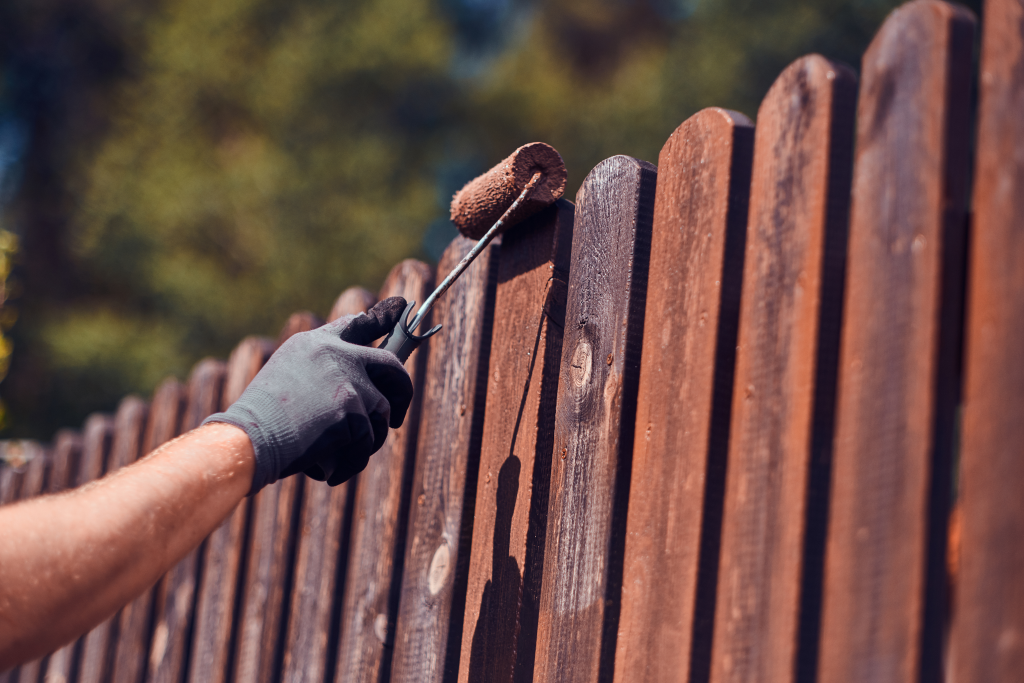
Repaint or restain when you notice fading or peeling. Scrape away loose paint, sand lightly, and apply a fresh coat. These wood fence maintenance tips extend the life of your fence and preserve its appearance.
Step 5: Maintain Posts and Structural Support
Fence posts support the entire structure. If posts weaken, the fence begins to lean or collapse.
Check each post for movement. Push gently to see if it shifts. Inspect for cracks at ground level or signs of erosion around the base. For metal posts, look for rust where the post meets the soil.
Reinforce unstable posts promptly. In some cases, adding concrete around the base can restore stability. Structural integrity is essential for safety, especially in areas with strong winds or heavy snow.
Step 6: Inspect and Maintain Gates
Gates endure frequent movement. They are often the first component to show wear.
Examine hinges, latches, and fasteners. Tighten loose hardware. Apply lubricant to moving parts to reduce friction and prevent rust. Ensure the gate swings evenly and aligns properly with the latch.
For properties with access control systems or automatic gate installation, proper alignment is critical. Commercial properties using commercial security services such as barrier arms or gate systems should schedule regular inspections to ensure consistent operation and traffic control.
Step 7: Seasonal Fence Maintenance Tips
Weather plays a major role in fence durability. Adjust your maintenance routine with the seasons.
In spring, inspect for winter damage such as frost heave or cracked posts. Clean thoroughly to remove salt or debris.
In summer, check for sun fading or drying in wood fences. Apply sealant if needed.
In fall, clear leaves from the fence line to prevent moisture buildup.
In winter, monitor heavy snow accumulation against panels. Excess weight can strain structure, especially for older fences.
Following seasonal fence maintenance tips keeps your fence ready for changing conditions year round.
When Maintenance Is Not Enough
Sometimes maintenance reveals deeper structural problems. Severely rotted posts, widespread leaning, or extensive corrosion may indicate it is time for replacement.
If your fence no longer provides security or stability, new fence installation services may be the smarter long term solution. For commercial properties, commercial fencing contractors can evaluate safety compliance and structural needs.
Temporary solutions like construction fence rental may also be useful during major property upgrades or building projects.
Conclusion
Strong fences do not happen by accident. They require consistent care. By following these fence maintenance tips, you can prevent damage, extend lifespan, and protect your property’s appearance and function.
From cleaning and inspections to sealing and structural repairs, this step-by-step guide to fence maintenance shows you exactly how to maintain a fence properly. Whether you own a wood, vinyl, chain link, or ornamental fence, routine attention keeps it safe and visually appealing for years.
Fence maintenance tips are simple to follow, but they make a powerful difference in durability and performance.
At Fence Crafter, LLC in Middleborough, MA, we bring 70 years of combined experience to every project. We are fully insured and specialize in residential and commercial fencing, including automatic gate installation and access control systems. If your fence needs replacement or you are planning a new installation, call (508) 250-8482 to schedule your project and take advantage of up to 20 percent off spring installation dates, with discounts available for veterans and first responders.